
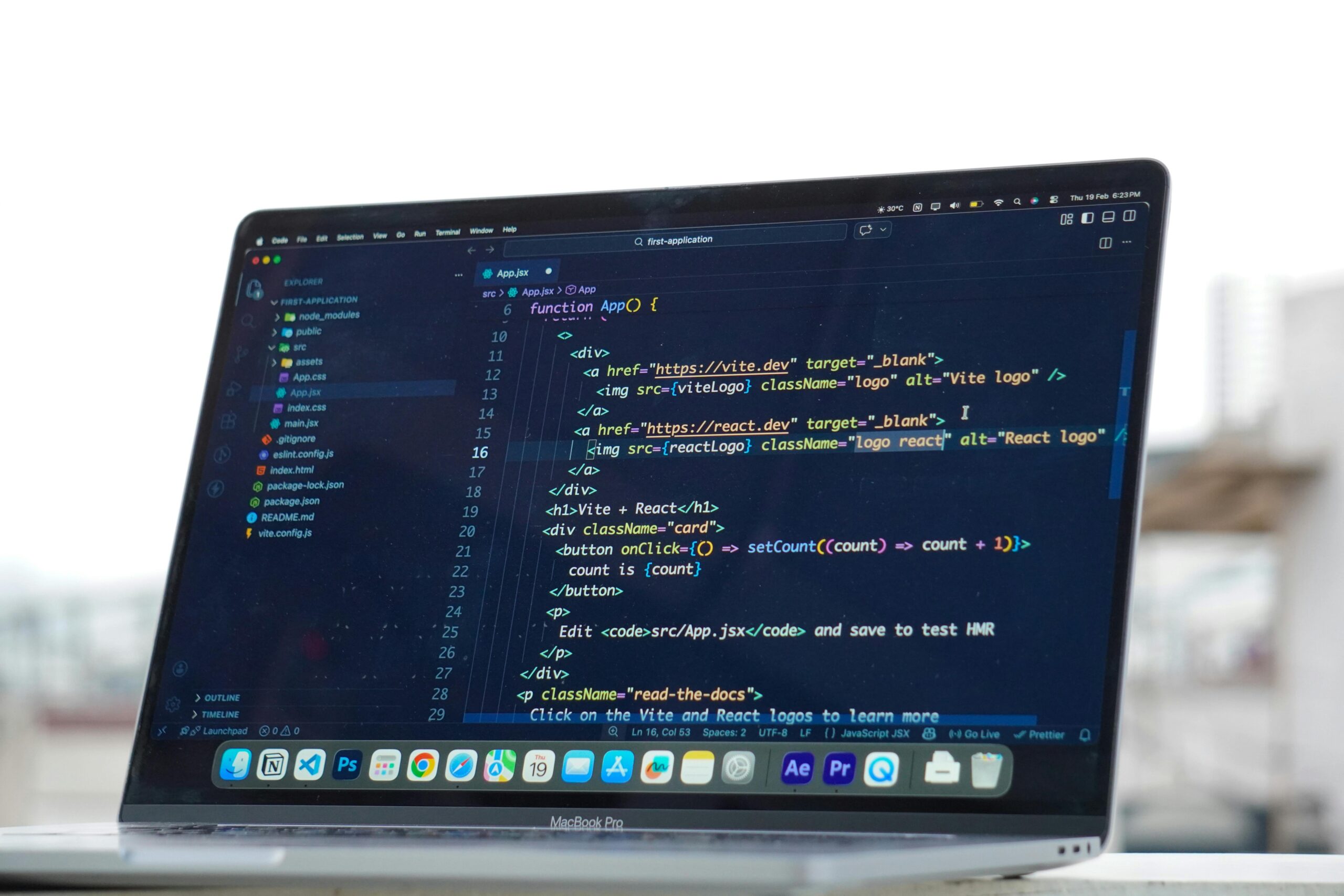
Website Development and Design Guide | SEO-Friendly & High-Converting Websites
Website Development and Design: The Complete Guide for Business Growth in 2026
Website development and design have become essential pillars of modern business growth as companies increasingly shift their focus to digital platforms to reach and engage customers. In 2026, a website is no longer just an online brochure but a powerful tool that shapes brand perception, drives marketing performance, and directly impacts revenue. Businesses that invest in professionally designed and well-developed websites are seeing higher engagement, improved search visibility, and stronger customer trust compared to those relying on outdated or poorly structured platforms.
At its core, website design focuses on the visual and user experience aspects of a website, including layout, color schemes, typography, and overall interface. It determines how users interact with the site and how easily they can navigate through different sections. Website development, on the other hand, handles the technical implementation, ensuring that all features function properly, pages load quickly, and the site performs well across different devices and browsers. Together, these two elements create a seamless digital experience that not only attracts visitors but also converts them into customers.
Recent trends show that user expectations have evolved significantly. Visitors now expect websites to load within seconds, adapt perfectly to mobile devices, and provide clear, intuitive navigation. A delay of even a few seconds can lead to higher bounce rates and lost opportunities. As a result, businesses are prioritizing performance optimization, responsive design, and clean coding practices to meet these demands. Speed, usability, and accessibility are no longer optional features but critical requirements for success in a competitive online environment.
Search engine optimization (SEO) is another major factor closely tied to website development and design. Search engines like Google evaluate websites based on several technical and content-related factors, including loading speed, mobile friendliness, site structure, and content relevance. A well-developed website with proper HTML structure, optimized images, and clean URLs can significantly improve search rankings. This, in turn, increases organic traffic and reduces the need for excessive paid advertising. Businesses that integrate SEO best practices from the initial development stage tend to achieve more sustainable long-term growth.
In addition to technical performance, the strategic use of design elements plays a crucial role in driving conversions. Effective websites guide users through a clear journey, from landing on the homepage to taking a desired action such as making a purchase, filling out a contact form, or booking a service. This is achieved through well-placed call-to-action buttons, compelling visuals, and structured content that communicates value quickly. A cluttered or confusing layout, by contrast, can discourage users and reduce overall effectiveness.

The rise of content-driven marketing has also influenced how websites are designed and developed. Businesses are now integrating blogs, landing pages, and resource sections to attract and educate their audience. These content hubs not only improve SEO but also position brands as authorities in their respective industries. A well-structured content strategy supported by a fast and responsive website can significantly enhance brand visibility and customer engagement.
In Bangladesh, the demand for website development and design services has grown rapidly as more businesses recognize the importance of having a strong online presence. From small startups to established companies, organizations are investing in digital transformation to stay competitive in both local and global markets. Keywords such as “website development company in Bangladesh,” “web design services in Dhaka,” and “affordable website design” are seeing increased search volume, reflecting the growing interest in professional web solutions.
Technology continues to evolve, offering businesses a wide range of tools and platforms to build and manage their websites. Content management systems like WordPress have become particularly popular due to their flexibility, ease of use, and extensive plugin ecosystem. These platforms allow businesses to manage content, update pages, and scale their websites without requiring advanced technical knowledge. At the same time, more advanced technologies such as React, headless CMS, and cloud-based hosting solutions are being adopted for larger and more complex projects.
Security is another critical aspect of modern website development. With increasing concerns around data privacy and cyber threats, businesses must ensure that their websites are protected through SSL certificates, secure hosting, regular updates, and strong authentication measures. A secure website not only protects user data but also builds trust and credibility with visitors.
Despite the availability of DIY website builders, many businesses are choosing to work with professional agencies to achieve better results. Professional developers and designers bring expertise, strategic thinking, and technical knowledge that go beyond basic website creation. They understand how to align a website with business goals, optimize performance, and implement features that drive measurable outcomes. This level of quality and customization is often difficult to achieve through self-built solutions.
Looking ahead, the future of website development and design is expected to be shaped by advancements in artificial intelligence, automation, and personalization. Websites will become more dynamic, offering tailored experiences based on user behavior and preferences. Voice search optimization, interactive elements, and enhanced user interfaces will continue to redefine how people interact with digital platforms. Businesses that stay updated with these trends will be better positioned to maintain a competitive edge.
In conclusion, website development and design are no longer just technical processes but strategic investments that directly influence business success. A well-designed and properly developed website can enhance brand image, improve search engine rankings, and drive consistent growth. As digital competition continues to rise, businesses must prioritize quality, performance, and user experience to stand out in the crowded online space. Whether targeting local markets in Bangladesh or a global audience, a strong website remains one of the most valuable assets a business can have in the digital age.